
A lock that works fine on Monday can leave you standing outside on Tuesday. Locks fail, and when they do, it’s rarely random. There’s almost always a reason, and in most cases, it was preventable. Understanding what actually causes lock failure helps homeowners and businesses stop the problem before it creates a security gap or a costly emergency. Here are a few common reasons locks fail.
Wear and Tear Over Time
Every time a key turns, the internal pins, springs, and tumblers absorb a small amount of stress. Do that thousands of times and the wear becomes visible, through a stiff cylinder, a key that catches mid-turn, or a deadbolt that suddenly doesn’t extend cleanly.
Most residential locksmith in Peoria AZ, agree that the average lock’s lifespan is around seven years, though high-traffic doors can see a decline much sooner. That’s a shorter window than most homeowners expect.
Poor Installation
A lock can only perform as well as the installation behind it. If the deadbolt isn’t properly aligned with the strike plate, or the door frame is slightly off, the lock absorbs additional stress every time it’s used.
Research confirms that misaligned strike plates cause the bolt to rub on engagement, wearing both components down faster than normal use would. That friction adds up. and eventually, the lock stops functioning cleanly or stops functioning at all.
Weather and Environmental Exposure
Locks installed on exterior doors take a beating from the elements year-round. Humidity causes metal components to swell and corrode. Extreme heat and cold cause door frames to expand and contract, pulling the lock out of alignment. Dust and debris work their way into the cylinder, clogging the mechanism over time.
In dust-prone environments like Arizona, locks can become clogged and difficult to operate much faster than in more moderate climates, making regular cleaning and lubrication especially important.
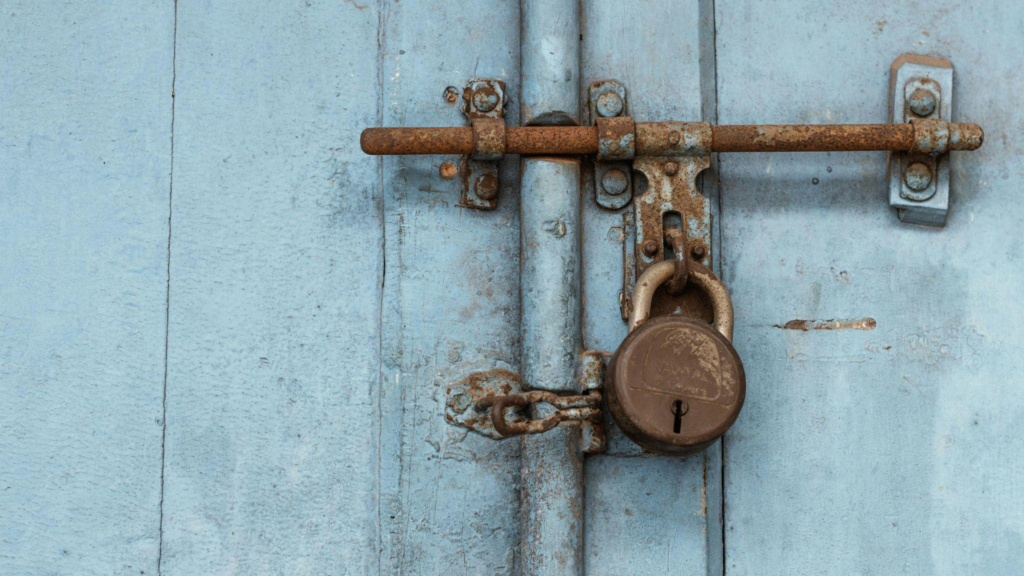
A lock that’s been ignored for years, installed slightly off, or made from hardware that was never built to last will eventually let you down, and usually at the worst possible moment.
The reality is that most lock failures are preventable with the right hardware, proper installation, and routine attention. What separates a secure property from a vulnerable one often comes down to whether someone with real expertise was involved from the start.
That’s exactly the kind of expertise Quality Lock & Key brings to every job, with services ranging from residential lock replacement and rekeying to full commercial hardware upgrades.
If your locks are old, showing signs of stiffness, or were never inspected after installation, now is the right time to act. Contact us today and get a professional set of eyes on the hardware that’s standing between your property and everything outside it.